Essential Tackle for Lake Erie Fishing: A Complete Guide
Essential Tackle for Lake Erie Fishing: A Complete Guide
In the waters of Lake Erie, success hinges on your gear choices. Whether you're targeting walleye in the western basin or chasing perch and bass in the central, understanding what tackle works where and when is essential. Having the right setup means more bites, better fish quality, and a more consistent catch rate—no matter if you're trolling in open water or jigging over rocky reefs.
If you’re serious about harvesting Lake Erie’s bounty, this guide will hone your tackle inventory, refine your gear selection, and give you the confidence to fish smarter and more effectively in every season and condition.
Table of Contents
Tackle Overview: What You Need to Succeed
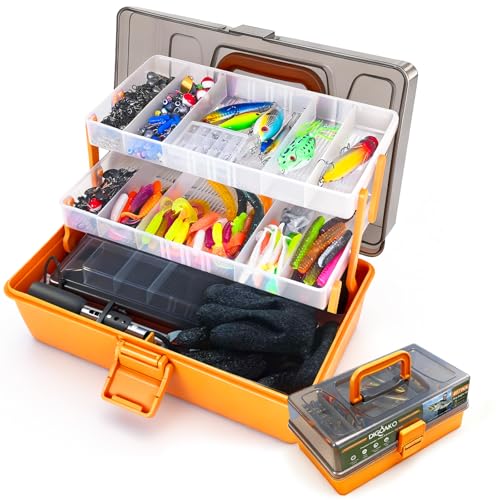
Your tackle box should be a blend of versatility and specificity. Lake Erie’s conditions vary sharply between the Western and Central basins, and the seasons demand different approaches. For walleye, your gear will differ significantly from perch or bass setups, but all should be built for durability and performance during long runs and tough weather. Expect cold water to test gear, so prioritize high-quality components that won’t fail when you need them most. Tackle should also match your chosen technique—whether trolling, jigging, or ice fishing—to get the most bites per trip. Having a solid mix of bottom-bouncing rigs, suspended lures, and ice-fishing tools ensures you're ready for whatever Lake Erie throws your way. The key is knowing when to adapt your tackle for changing depths, species, and seasonal patterns.Fishing Gear: Rods, Reels, and Accessories
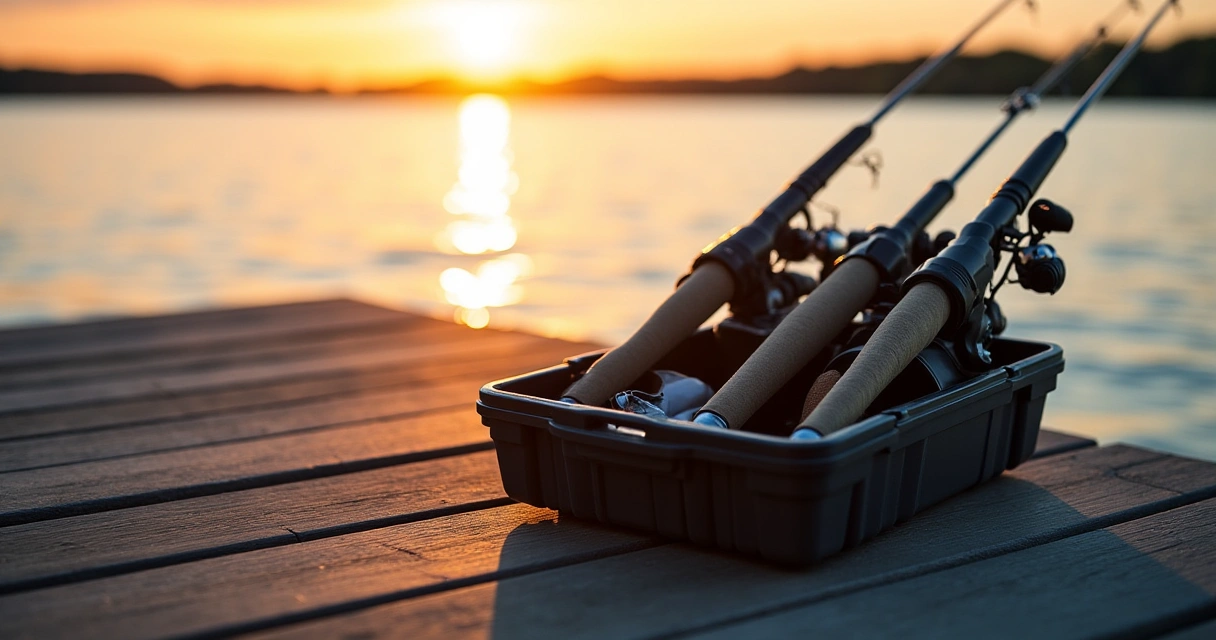
For trolling, heavy-duty graphite rods with fast tips excel. They handle large rigs and provide enough backbone for pulling cranks at depths of 15 to 40 feet. Reels should be high-quality baitcasters or spinning reels spooled with 20-30 lb braided line—braid provides the sensitivity and strength needed to detect subtle bites, while having a fluorocarbon leader improves visibility and abrasion resistance. Jigging requires rod lengths of 6½ to 7 feet, with a sensitive but stout blank that can detect subtle taps from walleye and perch. Pair these with spinning reels rated for 10-20 lb line, and use 15-20 lb braid tied to fluorocarbon leaders of 8-12 lb for clear water experiences. This combination gives you the finesse needed to work jigs in 10-20 feet of water. For ice fishing, go with shorter, stouter rods—around 24-36 inches—that can handle heavy jigs and strike a balance between sensitivity and durability. Spinning reels with smooth drag and capacity for 6-8 lb test line work best here.Life Vests and Safety Equipment
Lake Erie’s weather can change fast. A quality, Coast Guard-approved life vest isn't just a legal requirement—it's your lifeline. Select a vest that fits snugly without restricting movement and has plenty of pockets for pliers, release tools, and your phone. If you're trolling or fishing alone, a throwable device and a signaling whistle are must-haves. On big-water days, consider a full-coverage PFD with reflective markings and a harness for added security. During ice fishing, a float suit with integrated buoyancy can keep you safe if you fall through thin ice. Always fish with a buddy in the winter months, and carry a pair of ice picks—just in case.Ice Fishing Essentials
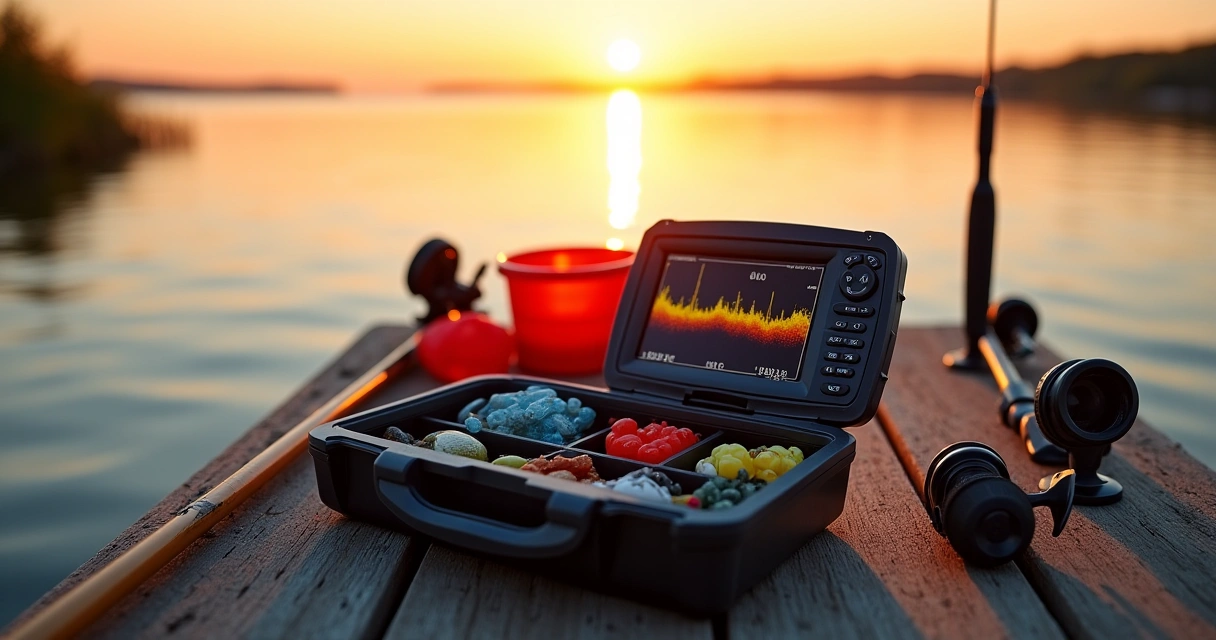
Ice fishing on Lake Erie demands gear built for cold, durability, and sensitivity. Invest in an insulated, shanty-style shelter for comfort, but always keep your tackle simple—small jig heads tipped with minnows or seasonally appropriate plastics work well for perch and walleye. Use a sonar unit to locate schools in water depths from 10 to 25 feet, especially in typical fall and winter patterns. A set of high-quality, lightweight augers that can cut through frozen surface layers quickly and reliably is key. Keep your line dry and your gear organized; fishing in sub-zero temps can drain your patience if your setup isn’t up to the task.Target Species Tackle: Walleye, Perch, and Bass
**Walleye:** Their key season runs from late spring through fall, especially July and September. Use bottom-bouncing rigs with stickbaits or jigging spoons in 15-30 feet of water, focusing on the sandy and rocky structures. During high summer, suspending crankbaits at 10-15 feet over deep humps can produce exciting strikes. **Perch:** Perch tend to school in 8-20 feet of water over flats and structures. Light jigs with live bait—minnows or perch-colored plastics—are deadly. In winter, ice anglers pull this tactic through holes to fill coolers with minimal fuss. **Bass:** Smallmouth bass love rocky points and sandy structures during late spring and early summer. Use lighter spinning gear with 10-15 lb braid and finesse plastics or small crankbaits. Drop shot rigs and Ned rigs work wonders in EE’s rocky and gravelly bottoms. Adapting your tackle to each species' seasonal behavior is essential for maximizing your catch rate across the lake’s diverse habitats.Frequently Asked Questions
What’s the best line weight for Lake Erie walleye fishing?
Use 15-20 lb braided line with fluorocarbon leaders. It balances sensitivity, strength, and abrasion resistance in rocky, cold waters.
Should I prefer trolling or jigging for walleye?
Jigging is more productive during summer and fall—especially in structured areas—while trolling works when covering large flats or during spring spawn runs.
What are top-rated reels for ice fishing in Erie?
Opt for smooth, corrosion-resistant spinning reels with high gear ratios—like Shimano Stradic Ci4+ or Daiwa Exceler—and ensure they have a sealed drag system.
When is perch fishing at its peak on Lake Erie?
Perch bite best in late fall and winter, especially during cold snaps in November and December, in water depths of 10-20 feet over gravel or sand flats.
What’s a reliable ice fishing auger for Erie’s winter conditions?
A 8-inch electric auger with reversible blades, like the Eskimo Quantum V, offers speed, efficiency, and dependability in cold temperatures.
Properly outfitting your arsenal with proven, durable tackle tailored for Lake Erie’s unique conditions makes all the difference. From selecting the right rods and reels to choosing effective lures for each species and season, every piece of gear should serve a clear purpose—driving results on the water. Now is the time to gear up, plan your next trip, and chase down the fish that define Lake Erie’s reputation.
Top Picks for This Topic
As an Amazon Associate we earn from qualifying purchases at no extra cost to you.